In 2018 Forsyth Humane Society (FHS) received over 6,500 shelter animals. That is an average of 18 new dogs and cats coming through our doors each day. These shelter animals are strays, were surrendered by their owners, removed from neglect situations or lost. With so many animals to take care of, where do we begin? When an animal is brought to our facility as a stray, we try to determine whether an owner can be found. We check for tags and microchips and compare the animal to the missing pets section of Forsyth County Animal Services and other websites. Then the dog or cat goes through our intake process and is cared for by our compassionate team of professionals. There are several steps in the animal intake process Vaccinating the dog or cat Deworming the dog or cat If no chip is found, microchipping the dog or cat Testing the dogs for heartworms and testing cats for FIV+FELV Administering flea and heartworm preventatives Vaccinations protect people and our four legged friends The first step in an animal’s intake journey at FHS is vaccinations by our medical team. Animals are vaccinated as soon as they are admitted to our shelter. Vaccinations directly effects the health and wellness of our existing shelter animals. Dogs receive the first DHPP, rabies and bortatella vaccines. Cats receive the first FVRCP and a rabies vaccine. Rabies is a fatal viral disease that can infect all warm-blooded animals, including dogs, cats and humans and targets the nervous system. Once symptoms appear, the disease results in fatality in about 10 days. The disease is primarily passed to animals through a bite or scratch wound from an infected animal. If an animal is exposed to wild animals, there is a much higher risk of being exposed to rabies. The most common carriers of the rabies virus in the US are raccoons, bats, skunks and foxes. The vaccination is available in 1 or 3 year schedules. Bordetella (Bronchiseptica) is a bacterial infection contributing to the respiratory disease commonly known as kennel cough (doggy cold). It is a highly contagious disease and is easily transmitted through the air or direct contact. In healthy adult dogs, Bordetella usually causes a mild cold. However, in puppies or in dogs with other underlying health issues, it can cause severe illness (such as pneumonia) or even death in rare cases. Common symptoms of a Bordetella infection include a persistent honking, hacking, and/or gagging cough. Fever and lethargy may also occur. If you plan to take your pup out and about after adoption, many establishments, such as dog parks, obedience schools, and grooming facilities will require that your dog be current on this vaccine. In general, Bordetella is not common in cats. However, it may be a problem for very young kittens, where it can cause severe lower respiratory tract disease. Please talk to your vet if you think your pet is suffering from Bordetella. DHPP (puppy vaccine) is a combination vaccine and stands for Distemper, Hepatitis, Parainfluenza, and Parvovirus and protects the dog from those diseases. The FVRCP combination vaccine is given to cats and provides protection from three major airborne diseases: Feline herpes virus, calicivirus and panleukopenia. What is Canine Distemper, Hepatitis, Parainfluenza, and Parvovirus? Distemper is a highly contagious disease caused by a paramyxovirus. It is similar to the human measles virus. It causes severe illness in dogs by attacking the lungs, brain and spinal cord, which results in multiple infections in the body and can be very difficult to treat. All dogs are at risk but puppies younger than four months old and dogs that have not been vaccinated are at increased risk of acquiring the disease. The virus can be airborne or transmitted by shared food or water bowls of infected animals. Hepatitis in dogs is a very serious condition caused by an infectious virus that affects the liver and can also cause loss of vision. It can develop extremely quickly in puppies and dogs. Hepatitis is transmitted through the blood, nasal discharge, saliva, urine, or feces of infected dogs. Symptoms vary and can range from a slight fever with a loss of appetite or thirst and congestion of the mucous membranes to severe depression, severe reduction in white blood cells, and deficiency of blood clotting. In recent years the disease has become uncommon because of routine vaccination against it. Parainfluenza is a respiratory virus that causes coughing in dogs and is one of the factors included in kennel cough. It is a highly contagious disease in the respiratory tract of infected dogs and is usually transmitted through the air via coughing and sneezing, as well as through shared bowls and bedding. The virus spreads quickly in locations where large numbers of dogs are kept together, such as kennels, shelters, doggy daycares, and dog shows. Symptoms are similar to canine flu and include a dry, hacking cough, runny nose, sneezing, eye inflammation, depression, lethargy, and loss of appetite. In general, this condition is not considered life threatening. Parvovirus (Parvo) is an extremely deadly virus that attacks the lining of the intestinal tract and damages the heart of unvaccinated dogs and very young puppies. The virus manifests itself in two different forms. The more common form is the intestinal form, and symptoms include vomiting, diarrhea, weight loss and lack of appetite. The less common form is the cardiac form, which attacks the heart muscles of fetuses and very young puppies, often leading to death. The virus is spread by direct dog-to-dog contact and contact with contaminated feces, environments and even people. The virus can contaminate kennel surfaces, food and water bowls, collars and leashes, and the hands and clothing of people who handle infected dogs. The virus is resistant to heat, cold, humidity, and drying, and can survive in the environment for long periods of time. What is Feline Herpesrvirus, Calicivirus and Panleukopenia? Herpes virus infection, or feline viral rhinotracheitis, (FVR) is triggered by the common feline herpes 1 virus. Symptoms include
It’s amazing what 9 days of love and care can do!
Erin is our amazing animal placement manager at Forsyth Humane Society. Not only does she find great homes and rescues for our animals, she is also a kitten foster. Erin recently fostered eight week old Artemis and her littermate, Apollo, who came to FHS with upper respiratory infections (kitty cold). The kittens were congested, lethargic, and their eyes looked puffy. Erin says “I love fostering kittens 8 weeks or older because it works with my full-time job. They keep each other company while I’m at work, playing and napping together.” She fed and medicated each kitten before and after work. They received an oral liquid once daily and an eye ointment twice daily. Erin began to see improvement with Artemis’ eyes within two days, and her energy levels perked up. Artemis became more playful, interactive and started to chow down on her food. She also discovered her tail during this time – which she frequently chases! Erin says “I feel lucky to have played a part in their journeys to their furever homes. When Artemis and Apollo get adopted, I’ll be ready for more fosters!” At Forsyth Humane Society, a foster is someone who temporarily cares for an animal in need. They provide love, attention, and care until the animal is ready to come back to the Adoption Center. Foster care is typically a commitment of 1 – 2 weeks, unless the animal has a special need. All supplies and medical care are provided. During Kitten Season, fosters are crucial to Forsyth Humane Society’s goal of achieving a 90% Save Rate by 2023. If you are interested in becoming a foster, you can sign up here!
Our new website and blog has launched!
We have a new website! We are so excited about the launch of our redesigned website. It now boasts a clean and intuitive design and consistent site-wide navigation. FHS improved the menu functionality so you can get to the information that is most relevant to you. Our site is also fully responsive with mobile devices, so you can access our information on the go. Online giving has been revamped and will save you time. Making a gift is fast and accessible from any device. One change that we are particularly excited about is the improved categorization of our animals. Now you can quickly see which animals are available for adoption and which ones are on our stray/hold list and waiting for their owners to reclaim them. The best part is, our animal viewing pages are mobile friendly now! Finally, we have a new blog space where we will be sharing inspiring and educational stories around animal adoption, foster care stories, and animal resources. Soon you’ll be able to browse our site and view animals that are in need of a foster home. We’re working on developing additional educational blogs to help provide animal care topics that are important to you and residents of Forsyth County. We’re really proud of our new website and feel it will create the experience you’re looking for when you pay us a visit. You can check out our new site at https://forsythhumane.org/. A very special thank you and shout out to Chris Shore from the Signal Company, who donated his time and made our new website possible! Thank you for your support and thank you for helping us #savefursyth!
Artemis’ Amazing Transformation
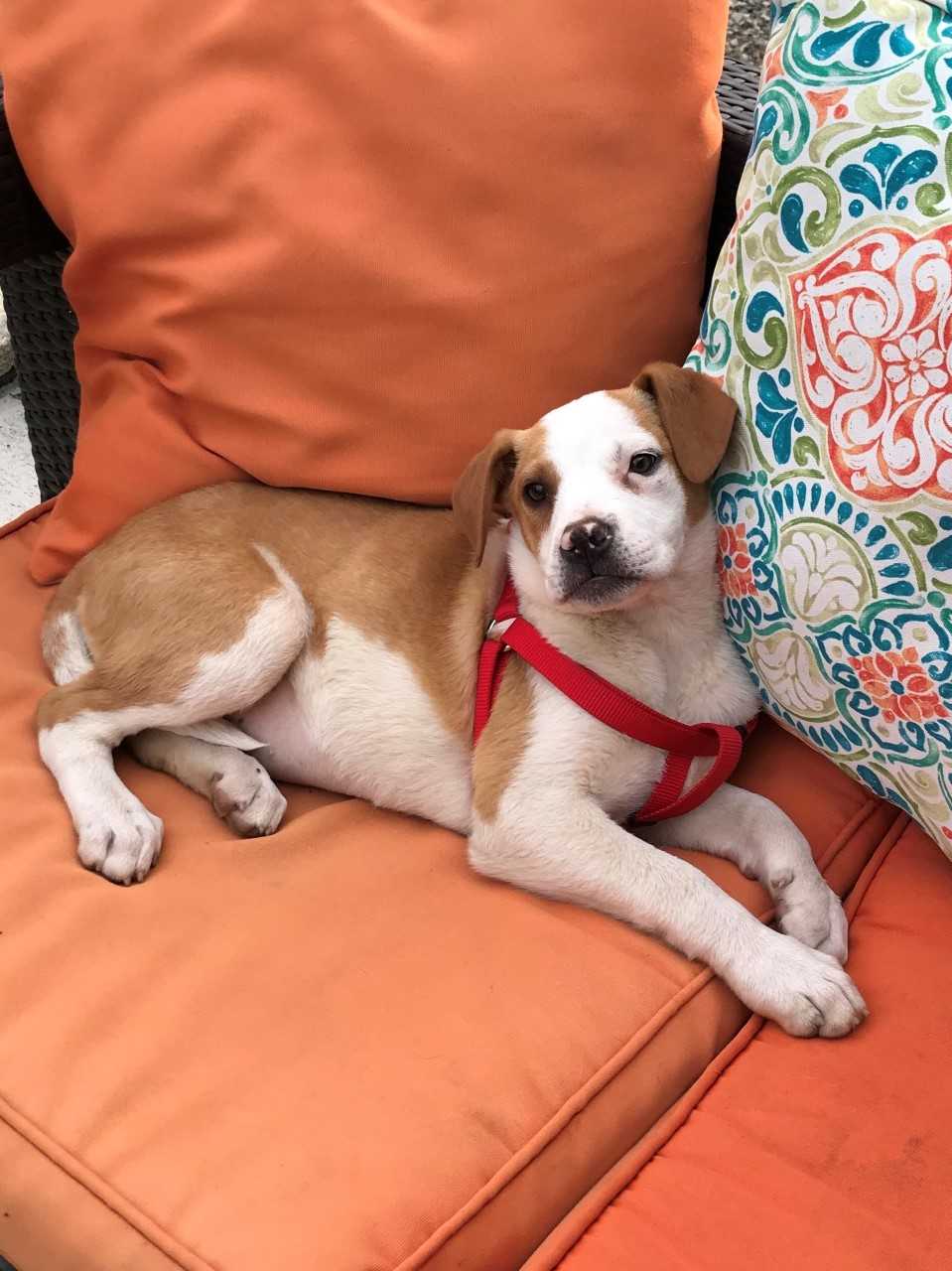
You can be the reason homeless dogs like Artemis find their happy ending! Artemis was found with raw and irritated skin, out on her own. Forsyth County Animal Services brought her in from the cold. She was transferred to our care, and given a warm place to sleep and plenty of food to eat. She entered our life-saving foster program with a treatment plan prescribed by our vet. After Artemis’ skin healed, she spent ten days at our adoption center being loved by our amazing volunteers. Then Artemis was adopted! FHS can deliver happy endings for sick and vulnerable cats and dogs because of your support. With our goal of increasing the save rate of all shelter dogs and cats in Forsyth County to 90% by 2023, we are committed to changing the future of animal welfare in our community. In 2018 with your help, we moved the save rate from 36% to 71%. Your monthly gift will help us save more dogs like Artemis. $10 per month will buy 10 cans of wet puppy food for our foster program. Partner with us, give monthly, and change a life. #SAVEFURSYTH.
Life Saving Foster Families
Life Saving Foster Families Diane has been fostering homeless pets for the past three years and has fostered over 80 animals. During her time fostering for Forsyth Humane Society, she has saved 43 lives, including animals with special needs. “Fostering is showing a dog or cat who was once abused or neglected, a loving hand to help them open up and see how wonderful it is to be loved. It is a way to help by preparing them for their new forever family,” said Diane. Diane finds the experience rewarding. She sees the transition from scared or neglected to snuggling on the recliner and learning how to interact with her other animals. Diane says, “There is no better feeling than looking into your foster’s eyes and seeing how much they love you.” Saying goodbye can be the most difficult part of fostering. Diane says after your first couple of experiences, it does get easier to watch them start their next journey. She says even though parting ways can be difficult, “with the sadness comes reward and happiness.” Diane is a proud foster mom of many shelter furbabies. She says “Experiencing a pet who is learning to love and trust again, who was once in a neglected situation, is something magical to watch.” Click here and join Diane today by signing up to be a foster family for Forsyth Humane Society. A message to Diane’s fosters: “You have made me a better person and I appreciate the opportunity to have been a part of your lives”! Fostering is free and FHS provides all supplies and medical care. Invite one of our shelter pets to crash with you for just two weeks today at www.forsythhumane.org/foster.