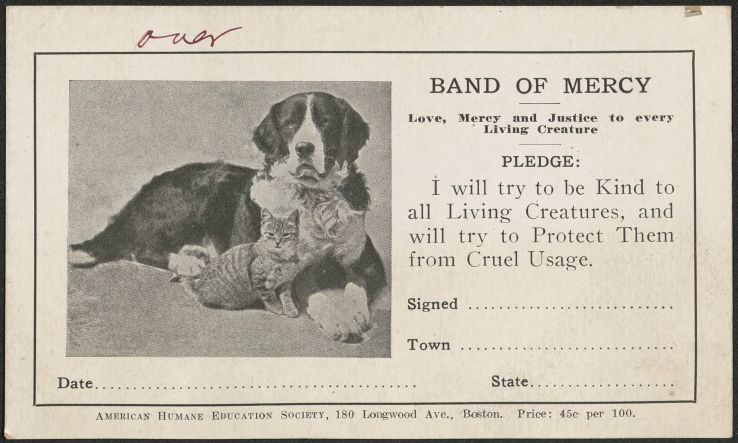
Eighty-five years – When you say it out loud, it sounds like a lifetime. And in many ways, it is. As Forsyth Humane Society celebrates our 85th anniversary this year. I’ve been spending a lot of time looking back at the road that brought us here. It’s a road paved with good intentions, hard lessons, and a radical evolution in how we define “compassion”. The Dog Who Caught the Bus: To understand where we are going, you have to understand where we started. And I love where we started. Our story didn’t begin with a corporate strategy; it began with a dog. In 1941, D.D. and Lydia Schouler founded this organization to honor their dog—a clever, loyal pup who turned into a local legend for catching the bus with a coin in his mouth to deliver Mr. Schouler’s lunch. It was a simple, pure act of service and love. But while the spark was pure, the world around it was harsh. In the 1940s and 50s, animal welfare was a dark area of society. We didn’t have “resource centers”; we had the pound. The philosophy was containment, not care. The “dog catcher” stood as a figure of fear in neighborhoods, and the shelter was often a sad, final destination. We were cleaning up a problem, not serving a community. The Hard Truth About Our History: We grew, of course. We moved to Miller Street in the 80s, and then to Country Club Road in 2017. But for decades, even as our buildings got nicer, our industry struggled with a silent flaw in our philosophy. For a long time, animal welfare professionals operated under an implicit rule: We love animals, but we don’t trust people. We became the gatekeepers of pet ownership. We created 5-page adoption applications. We inspected fences with tape measures. We judged families based on their income, their address, or their past mistakes. We told ourselves we were “protecting” the animals, but in reality, we were pushing away the very people who wanted to love them. We made it hard to do the right thing. That is the change I am most proud of as I write this in 2026. We realized that you cannot save animals if you do not respect the people who love them. We had to break down our own walls. We shifted from being “animal police” to being customer service professionals. We stopped asking, “Why should we let you have this dog?” and started asking, “How can we help you make this match work?” A Hub of Compassion: 2026 and Beyond – This shift from judgment to support is exactly why I am so excited about what comes next. As we look forward into 2026, we are on the cusp of opening our new low-cost spay/neuter and wellness clinic at 725 Waughtown Street. This building will be more than simply a medical facility; it will be a hub of compassion. We know that families in our community love their pets desperately, but the rising cost of veterinary care is a wall many can’t climb. We don’t want a family to have to surrender a loved dog just because they can’t afford a basic surgery. We don’t want a cat to have litter after litter because her owner can’t access spay services. This clinic is our promise to remove those barriers. It is our way of saying, “We see you, we value you, and we want to help you keep your family together.” Grace amid Imperfection: The last 85 years have taught us that we don’t have to be perfect to be good. We just have to be willing to do better. We have moved from the era of the “pound” to the era of the “partner.” We are finding grace amid imperfection—both in the animals we save and the people we serve. We are still here, 85 years later, not because of a building or a budget, but because of you. You—the foster parent taking in a medical case, the donor funding our new clinic, the adopter giving a shy dog a second chance. You are the legacy the Schoulers hoped for. Thank you for walking this long road with us. Here is to the next 85 years of open hearts, open minds, and saving lives. By Mark Neff, President & CEO
Finding Grace in Imperfection
By Mark Neff, CEO, Forsyth Humane Society In March, our lives flipped upside down when my partner was diagnosed with Stage 4 metastatic melanoma. The news was gut-wrenching, and our normal routine vanished overnight. It became a relentless whirlwind of five surgeries, biweekly oncologist visits, monthly infusions, and the constant management of fatigue and uncertainty. Life wasn’t about to-do lists anymore; it was about survival. As the CEO of Forsyth Humane Society, I’ve always been a Type A person who thrives on being the go-to person. I often tell people our work is like running an emergency room—it’s fast-paced, and community needs are always shifting. But this experience has forced me to let go of the relentless pursuit of perfection. I’ve had to accept that not every email will be answered by the end of the day and that it’s okay for to-do lists to roll over. Most importantly, I’ve learned that asking for help isn’t a weakness; it’s a sign of true strength. I’m incredibly lucky to have an amazing team. They don’t wait for me to “fix” everything. Instead, they rise to the occasion, solving problems and carrying our mission forward with professionalism and kindness. Watching them shine has been a powerful lesson: true leadership isn’t about doing it all yourself. It’s about empowering others and trusting them to get the job done. This lesson extends to my home life, where I’ve had to embrace a new kind of imperfection. It’s okay if the house isn’t pristine every day or if the dogs miss a walk one evening. For years, I’ve urged my team to take vacations and find balance. Yet, I was the first to put in 50–60-hour weeks without a break in over two years. This journey has forced me to practice what I preach. Balance isn’t a luxury; it’s essential for a sustainable life. It’s so easy to talk about balance and cherishing what truly matters. We hear it everywhere, from social media to self-help gurus. But living it? That’s a whole different ball game. I now encourage all of us to not just acknowledge these truths but to act on them. You can be a solid leader and run a successful business while also being a present partner, parent, or friend. The key is to take care of yourself and the people who mean the most to you. I’ve always believed in the principle of “no judgment.” In animal welfare, it’s easy to make snap assumptions about people, but we never know the hidden struggles they might be facing. I’ve told my team this time and again, and now I’m living it from the other side. My struggles aren’t always visible, and I’ve realized that what others think of me matters far less than simply doing my best and understanding my own motivations. This journey is ongoing and certainly not easy. But I’m learning that true strength isn’t about doing more; it’s about finding balance, leaning on others, and giving ourselves the same grace we give to those around us. It’s a lesson I’ll carry with me as a leader and, more importantly, as a human being.
Before You Hit “Send”: A Reflection on Kindness, Accountability, and Responsibility
By Mark Neff, CEO, Forsyth Humane Society In an age where communication is instantaneous and emotions can be broadcast with the tap of a key, it’s more important than ever to pause and ask ourselves: “Do I have all the facts?” As the CEO of Forsyth Humane Society, I am deeply proud of the work we do every day to advocate for animals and support the people who love and care for them. But in our increasingly digital world, I’ve also observed a growing tendency—within our communities and beyond—to rush to judgment and unleash criticism without taking time to understand the full picture. This isn’t just a matter of social decorum; it’s about integrity, empathy, and the values we choose to uphold as individuals and as a society. Too often, someone’s reputation—be it an individual, a business, or an organization—is damaged by the power of a social media post or email that’s rooted in frustration or hearsay rather than truth. What’s often missing from these moments is due diligence—the simple act of ensuring that we’ve gathered all sides of a story before reacting. We must remember that every narrative has more than one perspective, and often, what we see or hear initially is incomplete at best. And this isn’t just about fairness. It’s about humanity. We rarely know the full story of what someone else may be carrying. The coworker who seems withdrawn may be struggling with personal loss. The business you feel didn’t meet your expectations may be working through staff shortages or internal crises. The individual you’re tempted to criticize online may be giving everything they have to hold it all together. By rushing to judgment and reacting publicly, we may unintentionally inflict harm on people who are already in pain. That’s why I believe so strongly in the power—and the necessity—of kindness. It may sound simple, but in a time when kindness feels in such short supply, choosing it is an act of courage. Choosing to listen instead of assume. Choosing to ask instead of accuse. Choosing to respond instead of react. These are the choices that define our character, and they can be the difference between division and understanding. This does not mean we avoid accountability or excuse poor behavior. Feedback, when grounded in fact and shared constructively, is vital for growth. But we have alternatives in how we engage with one another, especially when emotions are high. When we’re disgruntled or disappointed, let’s start by seeking direct and respectful dialogue. Let’s use the channels available to us to express concerns privately and with care. Let’s remember that people are human—and most are trying their best. As a community, we are stronger when we choose empathy over outrage, truth over assumption, and kindness over condemnation. The work we do at Forsyth Humane Society is built on compassion—for animals and for people. That compassion doesn’t end at the shelter door. It extends to how we treat one another, how we show up in times of tension, and how we choose to communicate in a digital world that often forgets the human on the other side of the screen. So before you hit “send,” I invite you to pause. Ask yourself if you’ve sought the full story. Consider the weight of your words and the lives they touch. And whenever possible, choose the path of grace. It may not be the loudest choice, but it’s often the one that brings us closer to the kind of community—and the kind of world—we all want to be part of. With respect and gratitude,Mark NeffCEO, Forsyth Humane Society
Compassion in Action
Written By: Mark Neff, President & CEO of Forsyth Humane Society Understanding Animal Hoarding: A Call for Compassion and Community Support Animal hoarding, a distressing and complex issue that often evokes shock and concern, is a matter that urgently requires our attention. Unlike puppy mills or backyard breeders, animal hoarders accumulate more pets than they can adequately care for. This behavior is not a result of neglect or irresponsibility. Instead, it often arises from underlying mental health concerns that require sensitive support and attention. The Mental Health Component Animal hoarding is recognized as a mental health disorder. The individuals involved are usually profoundly attached to their pets and believe they are rescuing or caring for them. However, their inability to recognize the deteriorating conditions and the suffering of the animals is symptomatic of their mental state. Commonly, hoarders suffer from obsessive-compulsive disorder (OCD), depression, anxiety, or other psychological issues. Their actions, while harmful, are driven by a complex mix of compassion, compulsion, and denial. The Impact on Animals The animals in these situations endure severe neglect, suffering in overcrowded, unsanitary conditions. They face disease, malnutrition, and a lack of proper veterinary care. Despite the hoarder’s belief that they are providing sanctuary, the reality is that the animals are suffering, often silently, in conditions that can be described as inhumane. This stark reality should invoke a deep sense of empathy and concern in all of us. Recognizing the Signs Identifying an animal hoarding situation can be challenging, as hoarders may be secretive and reluctant to seek help. However, there are common signs to watch for: Ways the Community Can Help Addressing animal hoarding requires a compassionate, multifaceted approach involving mental health professionals, animal welfare organizations, and community support. Here are some ways the community can help: Compassion and Action Animal hoarding is a complex issue that necessitates a compassionate response. By recognizing it as a mental health concern, we can shift our approach from judgment to support, ensuring better outcomes for both the individuals and the animals involved. As a community, we can make a significant difference by fostering understanding, offering resources, and creating a support network. Together, we can address the root causes of animal hoarding and help those affected to lead healthier, happier lives.
Navigating the Waves of Communication in Animal Welfare: A Perspective from the Helm of Forsyth Humane Society

Written By: Mark Neff, President & CEO of Forsyth Humane Society In the bustling, heartwarming, yet often heart-wrenching world of animal welfare, communication is both a beacon of hope and a challenge to surmount. As President and CEO of Forsyth Humane Society, I’ve navigated the diverse currents of communication that flow between our staff, volunteers, foster network, board of directors, finance and marketing teams, and executive committees, as well as the public. Each group brings its own dialect of passion, concern, and vision to the collective table, making effective communication a necessity and a lifeline to our mission’s success. The Emotional Landscape The first hurdle in our communication journey is the deeply emotional nature of our work. Animals, by their very essence, evoke strong emotions from people. The stories of rescue, rehabilitation, and sometimes loss we share can profoundly affect our team members and the public. Communicating in such a charged atmosphere requires a delicate balance: we must be empathetic, supportive, clear, and decisive. It’s a dance of conveying hard truths with compassion, celebrating victories without complacency, and always advocating for our non-human friends’ welfare. Diverse Communication Styles Our organization is a tapestry of individuals, each with their own communication style. Staff may prefer direct, concise updates, while volunteers resonate more with stories and emotional connections. On the other hand, the board of directors and executive committees often seek detailed reports and strategic plans. Bridging these styles requires a multifaceted approach, utilizing a mix of formal presentations, heartfelt storytelling, and open forums for dialogue. The key is knowing your audience and tailoring your message to ensure it reaches and resonates with them. Public Perceptions and Challenges Engaging with the public presents its own set of challenges. The passionate nature of animal welfare means that public opinions are solid and varied. Misunderstandings can quickly escalate, and well-intentioned actions can sometimes be misconstrued. To navigate this, we prioritize transparency and education in our communications. Social media, press releases, and public events become tools not just for sharing our successes but for opening lines of communication, educating the public about the complexities of animal welfare, and inviting dialogue rather than dissent. Inter-Organizational Dynamics Another dimension of our communication landscape involves interactions with other animal welfare organizations. Unfortunately, not all dialogues are supportive or constructive. Criticism and negative commentary can emerge, driven by differing philosophies or resource competition. To overcome these challenges, we focus on collaboration over confrontation. We seek common ground and mutual respect by emphasizing shared goals and the overarching mission of animal welfare. When faced with negativity, we respond with professionalism and a steadfast commitment to our principles, often turning potential conflicts into opportunities for partnership and growth. The Path Forward As we continue to evolve and grow, effective communication becomes increasingly critical. It’s about more than just sharing information; it’s about building relationships, fostering understanding, and creating a community united in its commitment to animal welfare. By embracing the complexities of our communication challenges, we strengthen not just our organization but the very fabric of the animal welfare community. At Forsyth Humane Society, we are committed to refining our communication strategies, always with an eye toward empathy, clarity, and unity. In doing so, we enhance our ability to care for animals in need and inspire others to join us in this vital, compassionate work. Together, through the power of effective communication, we can navigate any challenge and turn our shared vision for animal welfare into a reality.
- 1
- 2
- 3
- …
- 12
- Next Page »