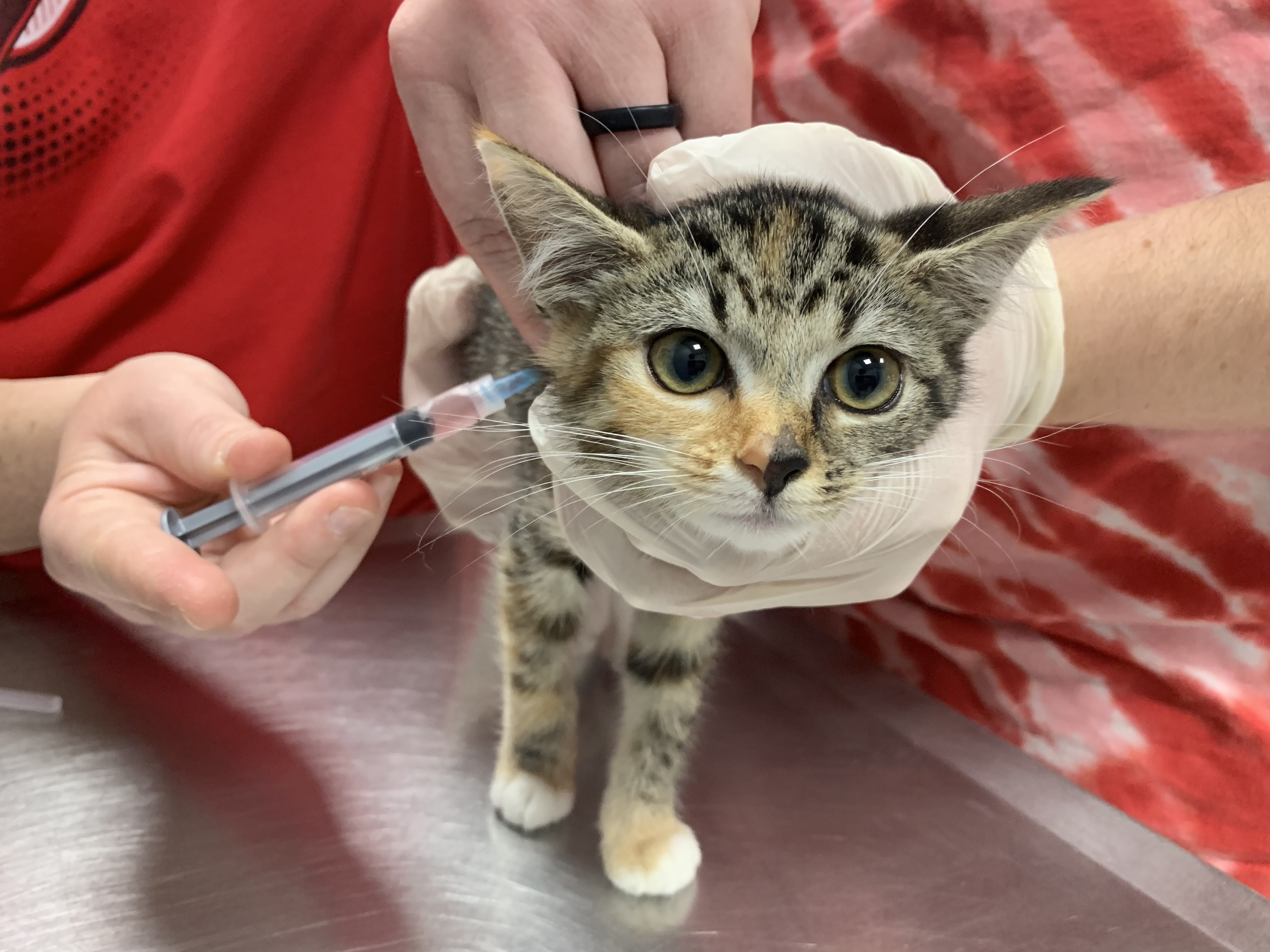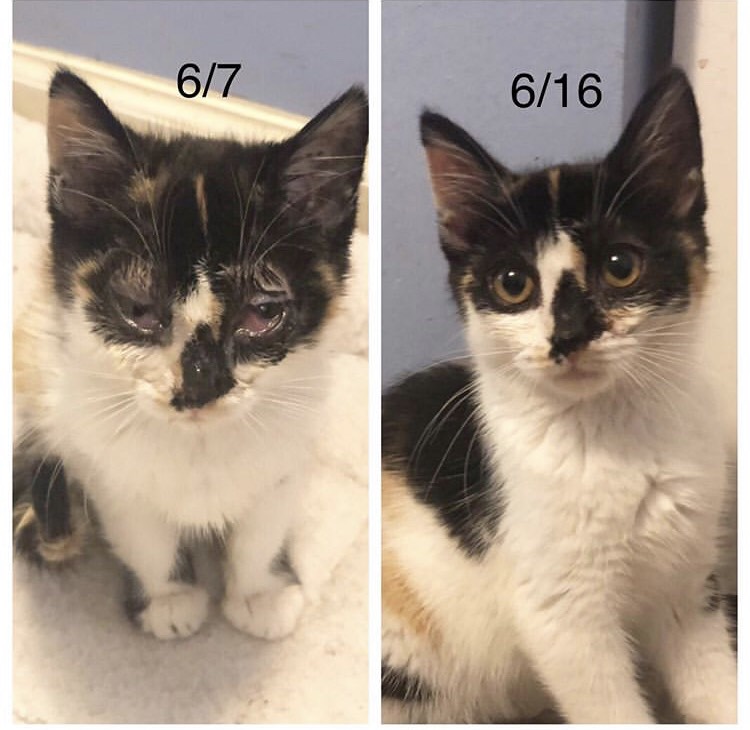
Erin es nuestra increíble gerente de colocación de animales en Forsyth Humane Society. No solo encuentra grandes hogares y rescates para nuestros animales, también es una cría de gatitos. Erin adoptó recientemente a Artemisa de ocho semanas y a su compañero de camada, Apollo, quienes llegaron a FHS con infecciones de las vías respiratorias superiores (resfriado de gatitos). Los gatitos estaban congestionados, letárgicos y sus ojos parecían hinchados. Erin dice “me encanta criar gatitos de 8 semanas o más porque funciona con mi trabajo de tiempo completo. Ellos hacernos compañía mientras estoy en el trabajo, jugando y tomando una siesta juntos “. Ella alimentado y medicado a cada gatito antes y después del trabajo. Recibieron un oral líquido una vez al día y una pomada para los ojos dos veces al día. Erin empezó a ver mejora con los ojos de Artemis en dos días, y sus niveles de energía se animaron hasta. Artemisa se volvió más lúdica, interactiva y comenzó a devorar su comida. También descubrió su cola durante este tiempo, que ella persigue con frecuencia! Erin dice “Me siento afortunada de han jugado un papel en sus viajes a sus futuros hogares. Cuando Artemisa y Apolo sea adoptado, ¡estaré listo para más adoptivos! ” En Forsyth Humane Society, un adoptivo es alguien que se ocupa temporalmente de un animal necesitado. Ellos Brindar amor, atención y cuidado hasta que el animal esté listo para regresar a la Centro de adopción. El cuidado de crianza es típicamente un compromiso de 1 a 2 semanas, a menos que el animal tiene una necesidad especial. Todos los suministros y la atención médica están previsto. Durante la temporada de gatitos, las crías de crianza son cruciales para Forsyth Humane El objetivo de la sociedad de lograr una tasa de ahorro del 90% para 2023. Si usted está interesado en convertirte en un adoptivo, puedes registrarte aquí !
La asombrosa transformación de Artemisa
¡Tú puedes ser la razón por la que los perros sin hogar como Artemis encuentran su final feliz! Artemisa fue encontrada con la piel en carne viva e irritada, sola. Servicios para animales del condado de Forsyth la rescató del frío. La transfirieron a nuestro cuidado y le dieron un lugar cálido para dormir y mucha comida para comer. Entró en nuestro programa de acogida que le salvó la vida con un plan de tratamiento prescrito por nuestro veterinario. Después de que la piel de Artemisa sanó, pasó diez días en nuestro centro de adopción siendo amada por nuestros increíbles voluntarios. ¡Entonces Artemis fue adoptado! FHS puede brindar un final feliz a los perros y gatos enfermos y vulnerables gracias a su apoyo. Con nuestro objetivo de aumentar la tasa de ahorro de todos los perros y gatos de los refugios en el condado de Forsyth al 90% para 2023, estamos comprometidos a cambiar el futuro del bienestar animal en nuestra comunidad. En 2018, con su ayuda, cambiamos la tasa de ahorro del 36% al 71%. Tu donación mensual nos ayudará a salvar más perros como Artemis. $ 10 por mes comprarán 10 latas de comida húmeda para cachorros para nuestro programa de crianza. Asóciese con nosotros, dé mensualmente y cambie una vida. #SAVEFURSYTH.
Familias de acogida que salvan vidas
Salvavidas Familias de acogida Diane tiene ha acogido a las mascotas sin hogar durante los últimos tres años y ha acogido a más de 80 animales. Durante su tiempo de acogida para Forsyth Humane Society, ha salvado 43 vidas, incluidos los animales con necesidades especiales. “Adoptar es mostrar un perro o un gato que alguna vez fue abusado o descuidado, una mano amorosa para ayudarlos a abrirse y ver qué maravilloso es ser amado. Es una forma de ayudar preparándolos para su nueva familia para siempre ”, dijo Diane. Diane encuentra la experiencia gratificante. Ella ve la transición de asustada o descuidada a acurrucándose en el sillón reclinable y aprendiendo a interactuar con sus otros animales. Diane dice: “No hay mejor sentimiento que mirar a los ojos de tu hijo adoptivo y ver cuánto te quieren “. Diciendo adiós puede ser el la parte más difícil de la crianza. Diane dice que después de tu primer par de experiencias, es más fácil verlos comenzar su próximo viaje. Ella dice que aunque separarse puede ser difícil, “con la tristeza viene la recompensa y felicidad.” Diane es una orgullosa madre adoptiva de muchos bebés de pieles de refugio. Ella dice “Experimentar una mascota que está aprendiendo a amar y a confiar de nuevo, que una vez estuvo situación descuidada, es algo mágico de ver “. Hacer clic aquí y únete a Diane hoy registrándote para ser una familia de acogida para Forsyth Sociedad humana. Un mensaje para Diane’s fomenta: “Me has convertido en una mejor persona y aprecio el oportunidad de haber sido parte de sus vidas ”! La crianza es gratuita y FHS proporciona todos los suministros y atención médica. Invite a una de nuestras mascotas del refugio a quedarse con usted por solo dos semanas hoy en www.forsythhumane.org/foster .
How Adopting Barley Made Our Lives More Awesome!
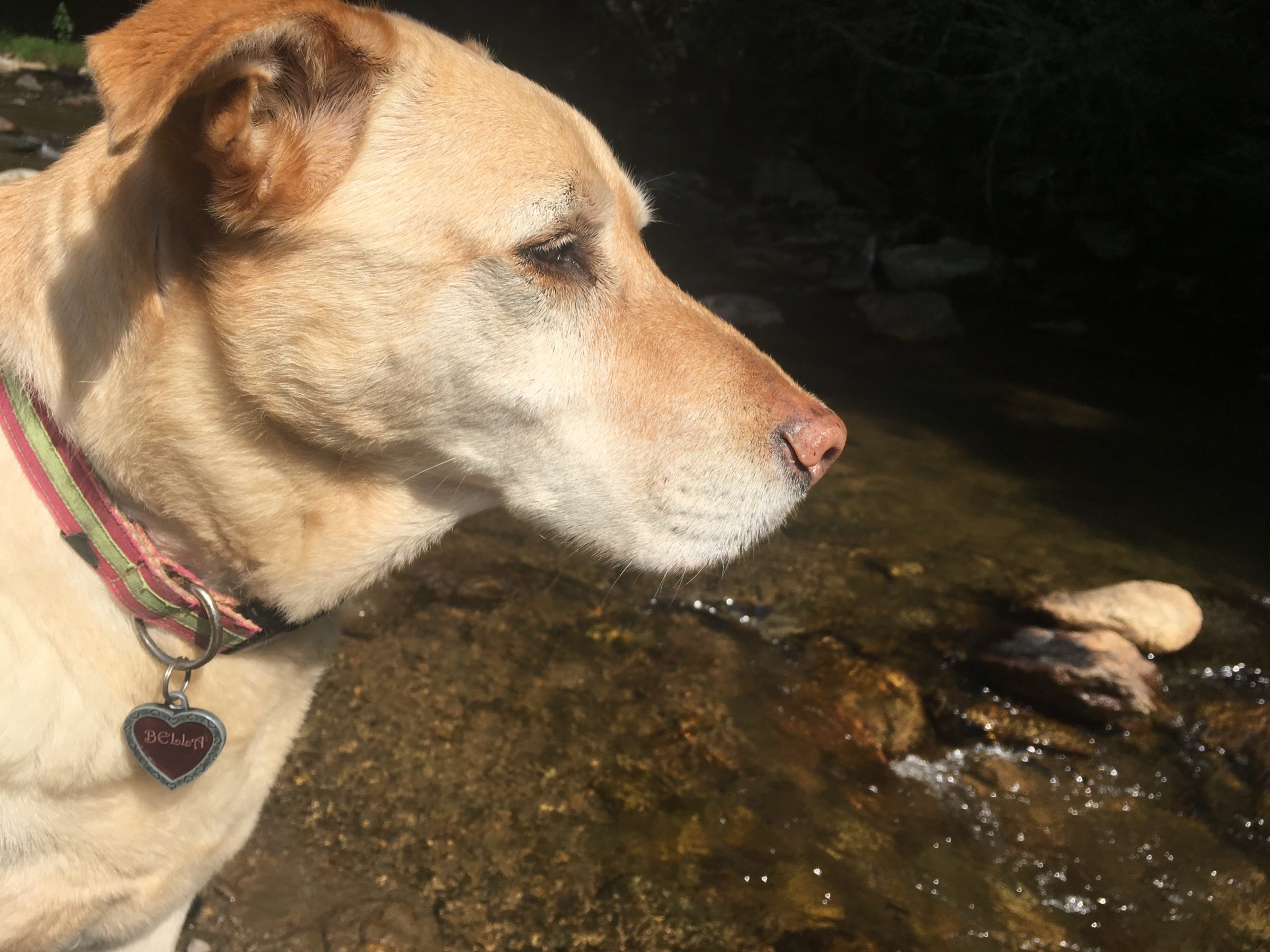
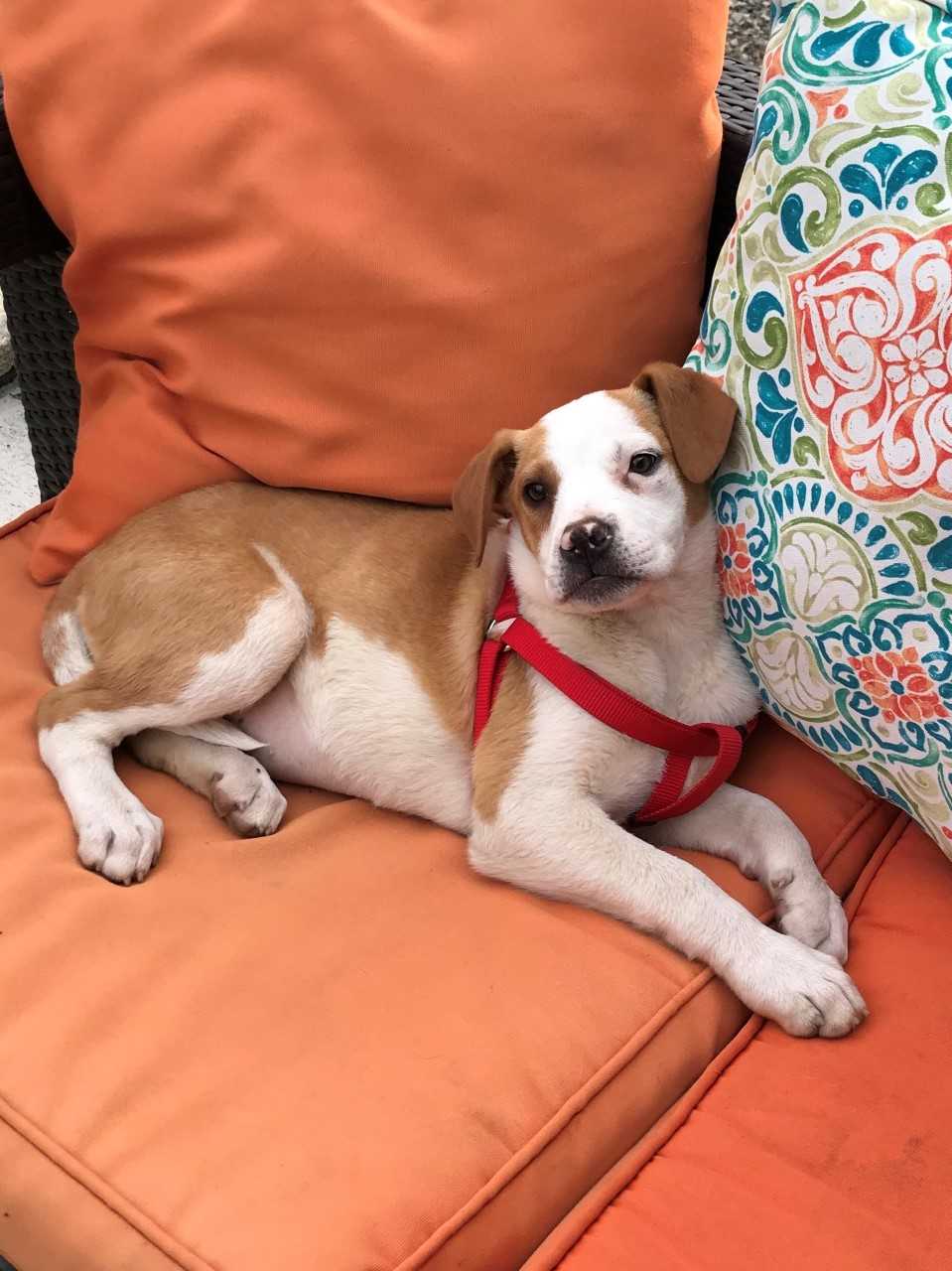
Michelle Schenker is our guest blogger this month. Read about her adoption experience, in her own words, below! We lost our sweet Bella in June, and we felt it more than we have with other pet losses in the past. Our dogs are our kids, and it was so quiet around the house without our food-loving lab cleaning up and following us around everywhere we went. Lily, our 11-year-old, 40-pound mixed breed, was still around and as loving as ever, but she sleeps a lot and does not care to be underfoot as much. So the house felt a little lonelier. After a few months of mourning, we were all ready to consider bringing a new furry family member into our home. My husband Alex and I started looking online at various local animal shelters and cute faces. We knew we wanted one that was around 35-50 pounds, good with other dogs, that was housetrained and ideally around two years old. We narrowed it down to a few that we wanted to meet and headed over to the Forsyth Humane Society’s new adoption center on Country Club Road. We walked around, talked to many dogs in their kennels, and spent some time with a few who we really felt could be strong contenders. However, none seemed quite right. As they say, you just know when it’s the right fit, and we had not made that connection yet. So, we went back home a little discouraged and settled back into life with one dog. But, we never stopped looking at the website to see any newbies that may have arrived. A couple of weeks after our first visit, a dog popped up on the website around 4 pm, and his name was Rudolf. He was 30 pounds and only eight months old. Well, that is a little smaller and a lot younger than we were seeking, but his sweet face spoke to both Alex and me, and his description sounded just right for us. A couple of weeks after our first visit, a dog popped up on the website around 4 pm, and his name was Rudolf. He was 30 pounds and only eight months old. Well, that is a little smaller and a lot younger than we were seeking, but his sweet face spoke to both Alex and me, and his description sounded just right for us. So, we were there waiting the next morning to meet him when the Forsyth Humane Society Adoption Center opened at 11 am. His crate was empty, so we anxiously asked if he had already been adopted. “No, he’s outside playing with a volunteer. We can take you out there if you’d like to meet him,” said another volunteer. “Yes, please!” we exclaimed and excitedly went out to meet him. We saw him playing ball with the volunteer and went inside to meet him. He glanced over, made eye contact, and ran to us. He jumped up, and as soon as I sat down, snuggled up to me, giving tons of kisses. At this point Alex and I looked at each other and we could see in each other’s eyes what the other was feeling. This felt like the one! Alex threw a few balls for him and made a similar connection playing and snuggling. We walked Rudolf back inside to ask a few questions and fill out the adoption forms. Bella and Lily were both adopted from Forsyth County Animal Control, which is now another in partnership with Forsyth Humane Society. So, we thought we were fairly familiar with the adoption process. But, we were surprised to learn that he was already neutered, fully vetted, microchipped and thus, he was ready to take home that day! After we completed the paperwork, we took him home, renamed him Barley, and introduced him to Lily. They were instant pals, playing in the yard from the start! They still love to play as much as that first day and now also love to snuggle up and cozy up (they’ll typically squeeze into the same little bed even if there’s another one right next to it!). We did not plan to adopt a puppy, but as it turns out, this was the best choice for us! Barley has brought so much energy, love, and vigor to all of our lives. He makes us smile and laugh every single day with his silly actions and his complete and total adoration of his Frisbee. He wrestles with his sister until she insists on a break. And his version of a break is to completely bury himself under the covers or within a pile of clothes or laundry – the first time he did that we couldn’t find him! As you may have guessed, our home is no longer the least bit quiet or lonely! We are forever grateful for the warmth and love Barley added to our home. An unexpected benefit to Barley coming home with us was that Lily had gained a few grief pounds after the loss of Bella, and we had not even noticed until we brought that lanky puppy home. She had also started snoring in her older age, causing some concern that she may need to visit the vet to investigate a possible health issue. Lily has always been our playful and super healthy mutt, but she was beginning to show her age. However, Barley’s non-stop play and exercise needs brought Lily back to life. She now plays a few hours a day and quickly lost those extra pounds. And, once the excess weight was gone, she also stopped snoring. What a relief that was! To say that adopting Barley was the best thing that happened to our family in 2019 would be an understatement. He has made us so happy, and our family is more complete because of him. Welcome home Barley, and many thanks to the Forsyth Humane Society for keeping him safe long enough for us to find him! Michelle
FHS Animal Intake Process Part 2: Deworming
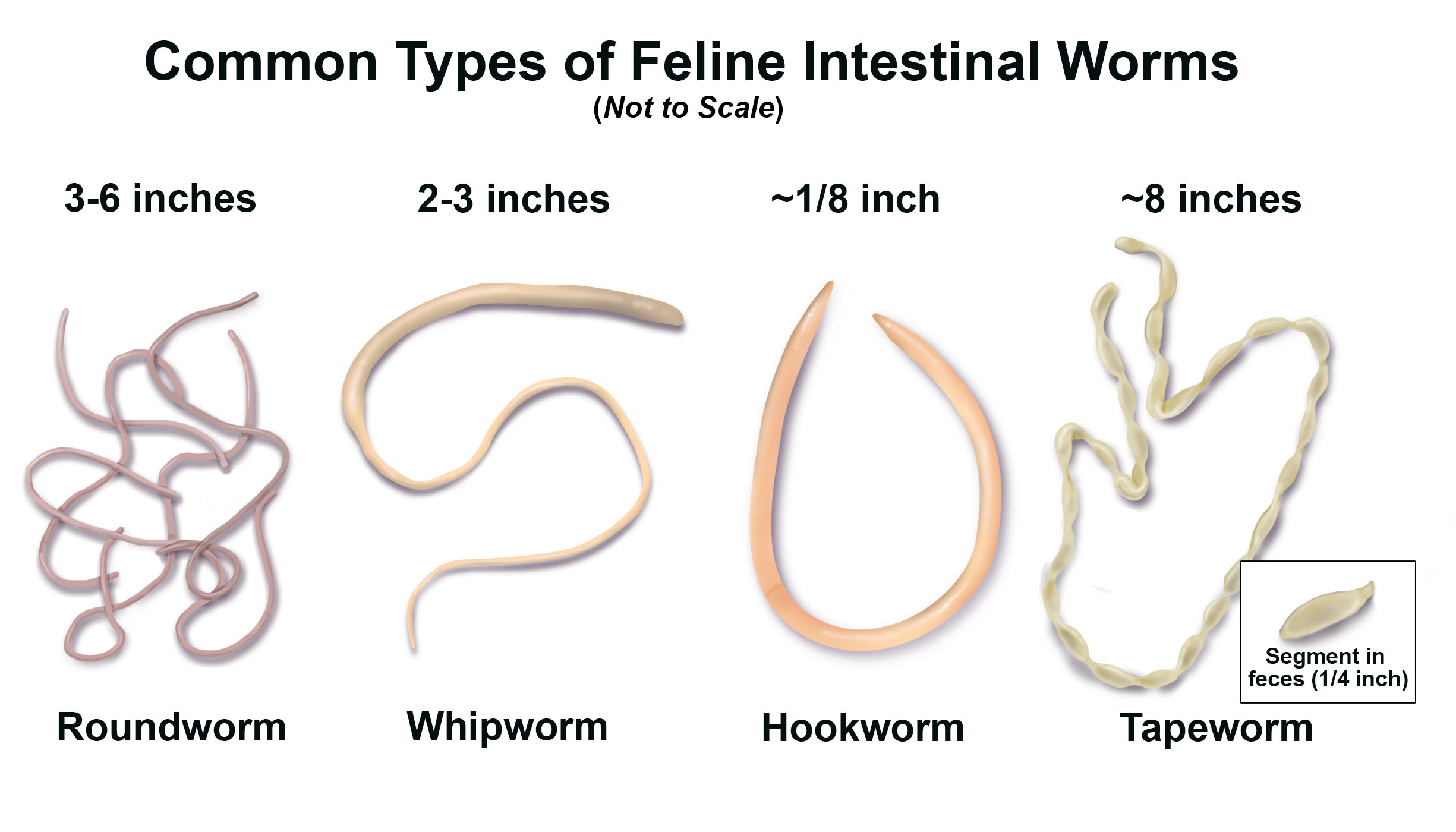
In our last blog post we talked about the first step in the animal intake process at Forsyth Humane Society, which is vaccinating the animals that enter into our care. The next step in the intake process is deworming both cats and dogs. An animal infected with worms can easily pass those parasites to other animals, so deworming is extremely important for shelter pets. In addition, a severe worm infection can cause death. Our cats and dogs are regularly treated for roundworms and hookworms while in our care. If a pet tests positive for, or we suspect a pet may have tapeworms or whipworms, the animal is also treated for these parasites. In general, most animals are exposed to these parasites by the following: Consuming contaminated milk from an infected nursing mother (roundworms) Exposure to contaminated soil Consuming infected prey animals such as rodents and birds Ingesting fleas, ticks and mosquitos Direct contact with an infected animal Consuming or direct exposure to an infected animal’s feces or vomit There are four types of intestinal worms common in cats and dogs. These include: Roundworms: Roundworms are the most common type of intestinal parasites of the worm variety for cats and dogs. These worms live in the intestinal track and deposit eggs in the stool of a host. The worms can reach 3”-5” long by adulthood and look similar to a wet piece of spaghetti. This type of worm is also transmitted to kittens and puppies during nursing. In addition, cats and dogs can contract this parasite by feeding on an infected animal, such as a rodent, chicken, cockroach or earthworm, or by coming into contact with the feces of an infected animal. Roundworm eggs are extremely resilient and can survive harsh conditions, therefore, it’s always best to remove feces from litterboxes and outdoor areas as soon as possible in order to prevent infection or re-infection. Roundworms can also infect humans through contact with infected soil. Our medical team administers 2-3 rounds of Strongid/Pyrantel treatment for each of our shelter animals when they enter our adoption program. Tapeworms: Tapeworms are also very common in cats and dogs. This parasite attaches itself to the host’s small intestine with its sharp, hook- like oral cavity. Tapeworms have long, flat segmented bodies and can grow to 8” in length. Pets that are infected with tapeworms will have dried segments, similar or smaller to a piece of white rice, around their bottoms. Animals become infected with tapeworms when they ingest a host that is carrying tapeworm eggs, usually fleas and birds. Tapeworms sustain themselves by feeding off partially digested food in the host’s intestines, and can leave the infected cat or dog lacking in important vitamins and nutrients. Our medical team administers one treatment of Droncit/Praziquantel when tapeworms are present or when we suspect an infection. Hookworms: Hookworms live in the small intestines of infected animals. Adult worms grow to 1” in length and feed on the blood in the intestines, causing the host to experience anemia. If left untreated, hookworms can cause life threatening anemia in all animals, but kittens and puppies are especially vulnerable. Hookworms are passed through the stool of infected animals. When a cat or dog comes in contact with the infected stool, the animal can contract hookworms. Our medical team administers 2-3 doses of Strongid/Pyrantel treatment for each of our shelter animals when they enter our adoption program. Whipworms: Whipworms are also small, about ¼” long, and live in the cecum and colon of infected dogs and cats. Whipworms can cause severe damage to these organs and are considered one of the most harmful worms to pets. Whipworms are mostly found in dogs, and although cats can also contract whipworms, this worm is not common in felines who live in North America. Whipworm infections occur when an animal eats infected eggs from the environment. In other words, a dog or cat can become infected by inadvertently ingesting soil or grass that has been contaminated with whipworms eggs, or by playing with toys that have been in contact with infected soil. Whipworm eggs are extremely resilient and can survive in the soil for years. Our medical team administers Panacur as needed when whipworms are present or we suspect an infection. This medicine is administered daily for three days. Most animals will not show symptoms of a worm infection until the worm infestation is already well established. Unfortunately, some of the common symptoms of a worm infection are very similar to other diseases. Symptoms can vary, but commonly recognized symptoms of a worm intestinal parasitic infection in dogs and cats include: Weight loss, usually accompanied by a marked increase or decrease in appetite A distended abdomen, otherwise known as a pot-belly Lethargy, vomiting, diarrhea or chronic soft stool Dulling of the animal’s coat or hair loss Scooting, or dragging the bottom area, across the ground Deworming our cats and dogs protects Forsyth County’s existing local animal population when our shelter pets are adopted out into the community. In addition, we are also protecting the human population from hookworms and roundworms, which are zoonotic. When you adopt a dog or cat from Forsyth Humane Society, it’s important to discuss a deworming schedule with your vet. If you don’t have a vet, we can recommend one. In fact, all adoptions include a free head to toe wellness exam at the partner vet of your choice. FHS and our deworming program is supported by donations from our community. Click here if you would like to help us defer the cost of medical care for dogs and cats in our shelter. Thank you for your support and helping us to reach our goal of a 90% save rate for our shelter animals! Dr. Katie Fanning is FHS’s Medical Director. She is passionate about maintaining the health and wellness of the population of animals at FHS and educating the community on issues related to shelter animals. She lives in Winston-Salem with her husband and two rescue dogs, Isaac and Walter.
- « Previous Page
- 1
- …
- 8
- 9
- 10
- 11
- 12
- Next Page »