
Eighty-five years – When you say it out loud, it sounds like a lifetime. And in many ways, it is. As Forsyth Humane Society celebrates our 85th anniversary this year. I’ve been spending a lot of time looking back at the road that brought us here. It’s a road paved with good intentions, hard lessons, and a radical evolution in how we define “compassion”. The Dog Who Caught the Bus: To understand where we are going, you have to understand where we started. And I love where we started. Our story didn’t begin with a corporate strategy; it began with a dog. In 1941, D.D. and Lydia Schouler founded this organization to honor their dog—a clever, loyal pup who turned into a local legend for catching the bus with a coin in his mouth to deliver Mr. Schouler’s lunch. It was a simple, pure act of service and love. But while the spark was pure, the world around it was harsh. In the 1940s and 50s, animal welfare was a dark area of society. We didn’t have “resource centers”; we had the pound. The philosophy was containment, not care. The “dog catcher” stood as a figure of fear in neighborhoods, and the shelter was often a sad, final destination. We were cleaning up a problem, not serving a community. The Hard Truth About Our History: We grew, of course. We moved to Miller Street in the 80s, and then to Country Club Road in 2017. But for decades, even as our buildings got nicer, our industry struggled with a silent flaw in our philosophy. For a long time, animal welfare professionals operated under an implicit rule: We love animals, but we don’t trust people. We became the gatekeepers of pet ownership. We created 5-page adoption applications. We inspected fences with tape measures. We judged families based on their income, their address, or their past mistakes. We told ourselves we were “protecting” the animals, but in reality, we were pushing away the very people who wanted to love them. We made it hard to do the right thing. That is the change I am most proud of as I write this in 2026. We realized that you cannot save animals if you do not respect the people who love them. We had to break down our own walls. We shifted from being “animal police” to being customer service professionals. We stopped asking, “Why should we let you have this dog?” and started asking, “How can we help you make this match work?” A Hub of Compassion: 2026 and Beyond – This shift from judgment to support is exactly why I am so excited about what comes next. As we look forward into 2026, we are on the cusp of opening our new low-cost spay/neuter and wellness clinic at 725 Waughtown Street. This building will be more than simply a medical facility; it will be a hub of compassion. We know that families in our community love their pets desperately, but the rising cost of veterinary care is a wall many can’t climb. We don’t want a family to have to surrender a loved dog just because they can’t afford a basic surgery. We don’t want a cat to have litter after litter because her owner can’t access spay services. This clinic is our promise to remove those barriers. It is our way of saying, “We see you, we value you, and we want to help you keep your family together.” Grace amid Imperfection: The last 85 years have taught us that we don’t have to be perfect to be good. We just have to be willing to do better. We have moved from the era of the “pound” to the era of the “partner.” We are finding grace amid imperfection—both in the animals we save and the people we serve. We are still here, 85 years later, not because of a building or a budget, but because of you. You—the foster parent taking in a medical case, the donor funding our new clinic, the adopter giving a shy dog a second chance. You are the legacy the Schoulers hoped for. Thank you for walking this long road with us. Here is to the next 85 years of open hearts, open minds, and saving lives. By Mark Neff, President & CEO
Finding Grace in Imperfection
By Mark Neff, CEO, Forsyth Humane Society In March, our lives flipped upside down when my partner was diagnosed with Stage 4 metastatic melanoma. The news was gut-wrenching, and our normal routine vanished overnight. It became a relentless whirlwind of five surgeries, biweekly oncologist visits, monthly infusions, and the constant management of fatigue and uncertainty. Life wasn’t about to-do lists anymore; it was about survival. As the CEO of Forsyth Humane Society, I’ve always been a Type A person who thrives on being the go-to person. I often tell people our work is like running an emergency room—it’s fast-paced, and community needs are always shifting. But this experience has forced me to let go of the relentless pursuit of perfection. I’ve had to accept that not every email will be answered by the end of the day and that it’s okay for to-do lists to roll over. Most importantly, I’ve learned that asking for help isn’t a weakness; it’s a sign of true strength. I’m incredibly lucky to have an amazing team. They don’t wait for me to “fix” everything. Instead, they rise to the occasion, solving problems and carrying our mission forward with professionalism and kindness. Watching them shine has been a powerful lesson: true leadership isn’t about doing it all yourself. It’s about empowering others and trusting them to get the job done. This lesson extends to my home life, where I’ve had to embrace a new kind of imperfection. It’s okay if the house isn’t pristine every day or if the dogs miss a walk one evening. For years, I’ve urged my team to take vacations and find balance. Yet, I was the first to put in 50–60-hour weeks without a break in over two years. This journey has forced me to practice what I preach. Balance isn’t a luxury; it’s essential for a sustainable life. It’s so easy to talk about balance and cherishing what truly matters. We hear it everywhere, from social media to self-help gurus. But living it? That’s a whole different ball game. I now encourage all of us to not just acknowledge these truths but to act on them. You can be a solid leader and run a successful business while also being a present partner, parent, or friend. The key is to take care of yourself and the people who mean the most to you. I’ve always believed in the principle of “no judgment.” In animal welfare, it’s easy to make snap assumptions about people, but we never know the hidden struggles they might be facing. I’ve told my team this time and again, and now I’m living it from the other side. My struggles aren’t always visible, and I’ve realized that what others think of me matters far less than simply doing my best and understanding my own motivations. This journey is ongoing and certainly not easy. But I’m learning that true strength isn’t about doing more; it’s about finding balance, leaning on others, and giving ourselves the same grace we give to those around us. It’s a lesson I’ll carry with me as a leader and, more importantly, as a human being.
Navigating the Waves of Communication in Animal Welfare: A Perspective from the Helm of Forsyth Humane Society
Written By: Mark Neff, President & CEO of Forsyth Humane Society In the bustling, heartwarming, yet often heart-wrenching world of animal welfare, communication is both a beacon of hope and a challenge to surmount. As President and CEO of Forsyth Humane Society, I’ve navigated the diverse currents of communication that flow between our staff, volunteers, foster network, board of directors, finance and marketing teams, and executive committees, as well as the public. Each group brings its own dialect of passion, concern, and vision to the collective table, making effective communication a necessity and a lifeline to our mission’s success. The Emotional Landscape The first hurdle in our communication journey is the deeply emotional nature of our work. Animals, by their very essence, evoke strong emotions from people. The stories of rescue, rehabilitation, and sometimes loss we share can profoundly affect our team members and the public. Communicating in such a charged atmosphere requires a delicate balance: we must be empathetic, supportive, clear, and decisive. It’s a dance of conveying hard truths with compassion, celebrating victories without complacency, and always advocating for our non-human friends’ welfare. Diverse Communication Styles Our organization is a tapestry of individuals, each with their own communication style. Staff may prefer direct, concise updates, while volunteers resonate more with stories and emotional connections. On the other hand, the board of directors and executive committees often seek detailed reports and strategic plans. Bridging these styles requires a multifaceted approach, utilizing a mix of formal presentations, heartfelt storytelling, and open forums for dialogue. The key is knowing your audience and tailoring your message to ensure it reaches and resonates with them. Public Perceptions and Challenges Engaging with the public presents its own set of challenges. The passionate nature of animal welfare means that public opinions are solid and varied. Misunderstandings can quickly escalate, and well-intentioned actions can sometimes be misconstrued. To navigate this, we prioritize transparency and education in our communications. Social media, press releases, and public events become tools not just for sharing our successes but for opening lines of communication, educating the public about the complexities of animal welfare, and inviting dialogue rather than dissent. Inter-Organizational Dynamics Another dimension of our communication landscape involves interactions with other animal welfare organizations. Unfortunately, not all dialogues are supportive or constructive. Criticism and negative commentary can emerge, driven by differing philosophies or resource competition. To overcome these challenges, we focus on collaboration over confrontation. We seek common ground and mutual respect by emphasizing shared goals and the overarching mission of animal welfare. When faced with negativity, we respond with professionalism and a steadfast commitment to our principles, often turning potential conflicts into opportunities for partnership and growth. The Path Forward As we continue to evolve and grow, effective communication becomes increasingly critical. It’s about more than just sharing information; it’s about building relationships, fostering understanding, and creating a community united in its commitment to animal welfare. By embracing the complexities of our communication challenges, we strengthen not just our organization but the very fabric of the animal welfare community. At Forsyth Humane Society, we are committed to refining our communication strategies, always with an eye toward empathy, clarity, and unity. In doing so, we enhance our ability to care for animals in need and inspire others to join us in this vital, compassionate work. Together, through the power of effective communication, we can navigate any challenge and turn our shared vision for animal welfare into a reality.
Embracing Change and Growth in the New Year at Forsyth Humane Society

Written By: Mark Neff, President & CEO of Forsyth Humane Society As we step into another promising year at the Forsyth Humane Society, I find myself reflecting on our journey and looking forward with renewed enthusiasm. This year is particularly momentous for us as we eagerly anticipate the opening of our new spay-neuter clinic, a significant stride towards our mission. Our new clinic is not just a facility; it represents our commitment to proactive solutions in animal care. By offering affordable spay and neuter services, we aim to address pet overpopulation at its root, reducing the number of animals that end up in shelters. This initiative aligns perfectly with our overarching goal: to keep animals in loving homes and out of the shelter system. In the past year, we’ve made remarkable progress in growing our services to support the community. Our focus has been on providing resources that assist pet owners in keeping their animals at home. From educational programs to food assistance and behavioral support, our team works tirelessly to ensure that pets and their families stay together. In our mission to support the community, we recognize the importance of creating a safe and welcoming environment for everyone. This year, a key focus will be to foster a space where community members feel comfortable seeking assistance for their pets, free from judgment or shame. We understand that asking for help can be difficult, which is why we are committed to offering compassionate and empathetic support. Whether it’s guidance on pet care, assistance with supplies, or educational resources, our team is here to help in a respectful and understanding manner. By promoting an atmosphere of inclusivity and non-judgment, we aim to strengthen the bond between pets and their families, ensuring that everyone has access to the resources they need to thrive together. Looking ahead, we are setting ambitious goals to increase our adoption rates and intake capacity. Every animal that comes through our doors deserves a chance at a loving home, and we are dedicated to making that a reality for as many pets as possible. Our efforts in this direction are not just about numbers; they’re about making a tangible difference in the lives of animals and the people who care for them. Collaboration and partnership remain at the heart of our strategy. This year, we seek to forge new alliances and strengthen existing ones with local organizations, businesses, and animal welfare advocates. These partnerships are invaluable, allowing us to extend our reach and impact. Most importantly, as we grow and evolve, we remain committed to the wellbeing of our staff and volunteers – the backbone of Forsyth Humane Society. Their dedication and compassion are what drive our success. We continue to invest in their development and ensure they have the support needed to do their best work. In conclusion, the new year brings new opportunities and challenges, but our mission remains steadfast: to care for animals and the people who love them. Together, with your support, we will make a significant impact in our community, one pet at a time. Thank you for being part of this journey.
Navigating the Tides of Change: The Challenges of Animal Welfare in Post-Pandemic Times
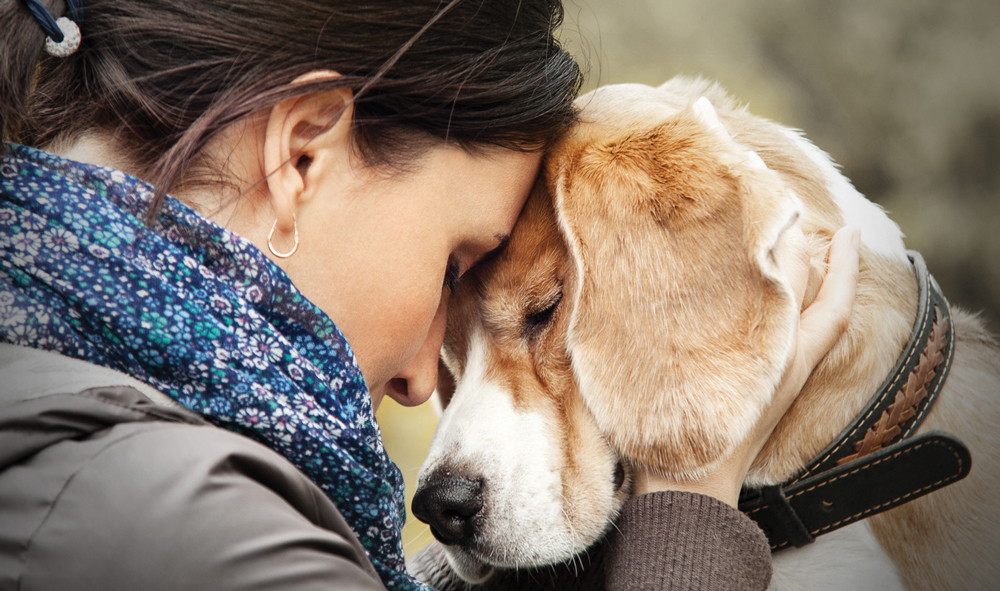
Written By: Mark Neff, President & CEO of Forsyth Humane Society As we move through the post-pandemic era, animal welfare agencies face unprecedented challenges in our mission to protect and care for animals. Today, I want to share some of these challenges, the impact on teams, and the importance of support in these trying times. Unprecedented Increase in Animal Intakes, Decreased Adoptions We are witnessing an alarming increase in animal intakes and a decrease in adoption rates, creating a scenario that strains resources and impacts the quality of care that agencies can provide. This shift is mainly due to economic changes, access to pet-friendly housing, and affordable veterinary care that have emerged since the pandemic. The Emotional Toll: Addressing Mental Health Concerns The emotional burden borne by staff is a significant concern. Daily, they face situations that can lead to heightened levels of stress, leading to higher incidents of depression and other mental health issues. This reality highlights the need for robust support systems and mental health resources to support our team’s well-being. Rethinking the “Do More, Be Better” Mantra The standard narrative urging animal shelters to “do more” and “be better” needs reconsideration. While the intention is to encourage better care for animals, this mantra can inadvertently lead to adverse outcomes. Overcrowding in shelters, a direct result of trying to do more, not only stresses resources but also negatively impacts the animals themselves. It can lead to increased stress and health issues among the animals, which is counterproductive to the mission of providing them with the best possible care. Overpopulation and Its Impacts Managing overpopulation in shelters is a complex issue. Simply taking in more animals without considering the capacity for quality care can lead to diminished animal welfare and increased stress on our staff. A more sustainable approach is needed, one that balances animal intake with the ability to provide high-quality care. Addressing Staffing Shortages Another critical issue faced is staffing shortages. The pandemic has exacerbated this problem, making it more challenging to maintain a team capable of providing the level of care needed. This shortage not only puts additional pressure on existing staff but also affects our shelter’s overall operation and effectiveness. The Need for Community and National Support Now, more than ever, we rely on the support of community and national organizations. Whether through donations, grants, volunteering, or advocacy, your involvement is essential in helping organizations overcome these challenges and continue the vital work. Innovative Approaches in a Changing Landscape The changing landscape of animal welfare demands innovative and adaptive approaches. We are exploring new strategies, such as enhancing foster care networks and investing in behavioral rehabilitation offerings, to improve operations and the animals’ welfare. Prioritizing Mental Health in Animal Welfare The mental health and well-being of staff are paramount. We must be committed to developing programs that support their mental health, recognizing the crucial role they play in our missions. A Call to Collaborate and Support We encourage collaboration and support from our community and partners. Your participation in the mission is invaluable and deeply appreciated. Join Us in Our Mission We invite you to join us as we adapt to these challenges. Together, we can ensure a future where every animal is cared for and staff are supported and valued. Your support makes a significant difference.