Written By: Mark Neff, President & CEO of Forsyth Humane Society As we move through the post-pandemic era, animal welfare agencies face unprecedented challenges in our mission to protect and care for animals. Today, I want to share some of these challenges, the impact on teams, and the importance of support in these trying times. Unprecedented Increase in Animal Intakes, Decreased Adoptions We are witnessing an alarming increase in animal intakes and a decrease in adoption rates, creating a scenario that strains resources and impacts the quality of care that agencies can provide. This shift is mainly due to economic changes, access to pet-friendly housing, and affordable veterinary care that have emerged since the pandemic. The Emotional Toll: Addressing Mental Health Concerns The emotional burden borne by staff is a significant concern. Daily, they face situations that can lead to heightened levels of stress, leading to higher incidents of depression and other mental health issues. This reality highlights the need for robust support systems and mental health resources to support our team’s well-being. Rethinking the “Do More, Be Better” Mantra The standard narrative urging animal shelters to “do more” and “be better” needs reconsideration. While the intention is to encourage better care for animals, this mantra can inadvertently lead to adverse outcomes. Overcrowding in shelters, a direct result of trying to do more, not only stresses resources but also negatively impacts the animals themselves. It can lead to increased stress and health issues among the animals, which is counterproductive to the mission of providing them with the best possible care. Overpopulation and Its Impacts Managing overpopulation in shelters is a complex issue. Simply taking in more animals without considering the capacity for quality care can lead to diminished animal welfare and increased stress on our staff. A more sustainable approach is needed, one that balances animal intake with the ability to provide high-quality care. Addressing Staffing Shortages Another critical issue faced is staffing shortages. The pandemic has exacerbated this problem, making it more challenging to maintain a team capable of providing the level of care needed. This shortage not only puts additional pressure on existing staff but also affects our shelter’s overall operation and effectiveness. The Need for Community and National Support Now, more than ever, we rely on the support of community and national organizations. Whether through donations, grants, volunteering, or advocacy, your involvement is essential in helping organizations overcome these challenges and continue the vital work. Innovative Approaches in a Changing Landscape The changing landscape of animal welfare demands innovative and adaptive approaches. We are exploring new strategies, such as enhancing foster care networks and investing in behavioral rehabilitation offerings, to improve operations and the animals’ welfare. Prioritizing Mental Health in Animal Welfare The mental health and well-being of staff are paramount. We must be committed to developing programs that support their mental health, recognizing the crucial role they play in our missions. A Call to Collaborate and Support We encourage collaboration and support from our community and partners. Your participation in the mission is invaluable and deeply appreciated. Join Us in Our Mission We invite you to join us as we adapt to these challenges. Together, we can ensure a future where every animal is cared for and staff are supported and valued. Your support makes a significant difference.
The Detriment of Division: When Animal Welfare Organizations Attack Each Other
Written By: Mark Neff, President & CEO of Forsyth Humane Society In the vast world of animal welfare, the landscape is painted with countless stories of rescues, rehabilitations, and rehomes. Every day, countless heroes emerge, striving to make a difference in the lives of animals who cannot speak for themselves. However, a growing trend that has become all too familiar is the internal rifts that seem to be tearing apart the industry from the inside out. I’ve been reflecting on recent instances where one animal welfare organization openly criticizes another. To me, this division feels not only counterproductive but deeply saddening, especially when the industry itself is buckling under the weight of compassion fatigue, stress, and utter burnout. Compassion Fatigue: The Unseen Battle For the uninitiated, compassion fatigue is the emotional residue or strain of exposure to working with those suffering from the consequences of traumatic events. In the context of animal welfare, it refers to the profound emotional and physical erosion that takes place when caregivers are exposed to the suffering of animals’ day in and day out. The very essence of their job revolves around their enormous hearts and their boundless compassion. Yet, this same compassion is precisely what makes them vulnerable. Add to this the everyday stresses of running an organization, finding resources, and managing volunteers or staff, and you’ve got a recipe for complete burnout. Infighting: Adding Fuel to the Fire When one organization targets another based on differing practices or opinions, it not only erodes the spirit of collaboration but directly adds to the emotional burdens already shouldered by many in the sector. At the heart of any animal welfare organization lies the core intention to save and better the lives of animals. There might be differences in approaches, methodologies, or strategies, but the end goal remains consistent: to save lives. Criticizing another group merely because its practices differ is, in my view, a form of misplaced passion. We must remember that each animal welfare organization is doing its best with the resources, knowledge, and circumstances it has. Passing judgment creates division, and this division hurts everyone in the long run. Every Life Matters At the end of the day, each life saved is a life saved. Whether it’s the result of Organization A’s efforts or Organization B’s, the bottom line is a precious soul spared from suffering. Instead of focusing on differences, we should be celebrating each victory and supporting one another in our collective mission. In a world filled with uncertainty, pain, and challenges, the animal welfare community should be a beacon of unity and hope. Let us not forget our shared purpose and let it guide our actions, words, and feelings towards one another. Only together, united in our cause, can we truly make a lasting difference in the lives of the animals we vow to protect.
📢 Breaking News: Forsyth Humane Society’s Next Endeavor – A New Low-Cost Spay/Neuter & Wellness Clinic at 725 Waughtown Street! 🏥🐾
Dear friends and supporters, We are thrilled to share some incredible news that’s bound to make a paw-sitive impact on our community! Forsyth Humane Society is proud to announce the acquisition of the 725 Waughtown Street location, where we’ll soon be opening a state-of-the-art Low-Cost Spay/Neuter & Wellness Clinic! Our mission has always been to improve the lives of pets and the people who love them. With this new venture, we’re taking a giant leap forward in fulfilling our mission by removing barriers to vital wellness services and surgeries for our beloved furry companions. Here’s what this exciting development means for our community: Affordable Services: We understand that providing quality healthcare for your pets can be financially challenging. Our low-cost clinic will offer a range of essential services, including spaying and neutering, vaccinations, microchipping, and more. Accessible Care: Our new clinic’s central location on Waughtown Street ensures easy access for all members of the community. No more long commutes or difficult journeys – we’re bringing convenient and reliable pet care closer to you. Community Impact: By providing affordable spay/neuter and wellness services, we’re not only promoting responsible pet ownership but also contributing to the overall health and well-being of our furry family members. Healthier pets mean happier families and a stronger, more vibrant community. Reducing Overpopulation: One of our core goals is to address the issue of pet overpopulation. By making spay/neuter services more accessible, we’re taking a proactive step towards reducing the number of homeless animals and ensuring that every pet has the chance for a loving, forever home. Empowering Pet Owners: We believe that every pet owner should have the resources and knowledge to provide the best care for their pets. Our clinic will not only offer services but also information on resources to empower you to be the best pet parent you can be. Stay tuned for more updates as we work diligently to transform this space into a hub of compassionate care. We are incredibly grateful for your continued support, which has made this expansion possible. Thank you for being a part of this journey with us! Together, we’re making a difference in the lives of animals and the community we hold dear. With heartfelt gratitude, Mark Neff President & CEO Forsyth Humane Society
Lights of Hope: The Cross Country Non-Lap Cats!
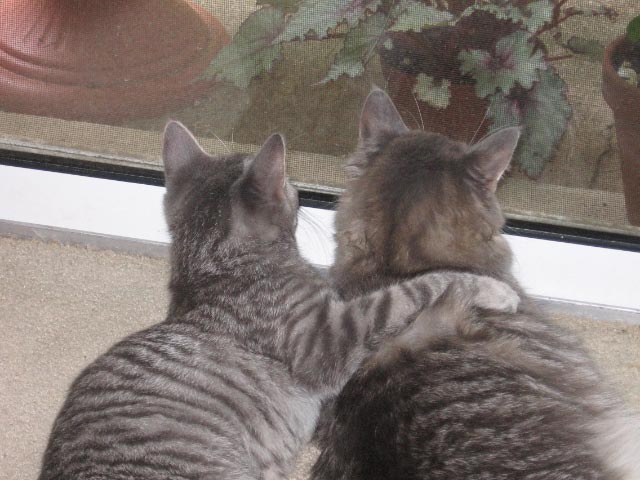
We love hearing stories of the pets people are dedicating lights to during our Lights of Hope campaign this season and the cats who traveled across the country are no exception! While the origins of this story happen prior to digital cameras, it’s where we meet Blue and Mambazo. “After I had lost my cat, Boudicca, a good friend brought me a tiny, frightened kitten that I named Mambazo. Later, a neighbor had to move and left me a very active, very cute young cat called “Blue”. Bazo and Blue got along well and moved with me from California to W-S in 2000. They are gone now, but I enjoyed both of them very much. Mambazo lived to be 16 and Blue, 14.” says Lights of Hope donor, Mary. Mary continues, After Blue and Mambazo came Meow Ming, April and Kato. Not long after, I got a cat named -I don’t know why- “Mouse” as a companion for Kato in 2016. Kato was 13 when he died this year. Mouse is still with me and has been, I think, comparable to a human brat! She and Kato got along fine, but she has never learned to socialize with people and may be the only cat I ever had who will not sit on my lap! Here at Forsyth Humane Society we absolutely love hearing all the stories about the varying personalities and adventures of the animals our community loves. This is just a simple example of a lifetime of love, thank you for sharing, Mary! If you would like to dedicate a light to a special pet in your life to be displayed throughout the month of December, check out our Lights of Hope page! Prepared by Kristen Williams
Forsyth County Pet Food Pantry
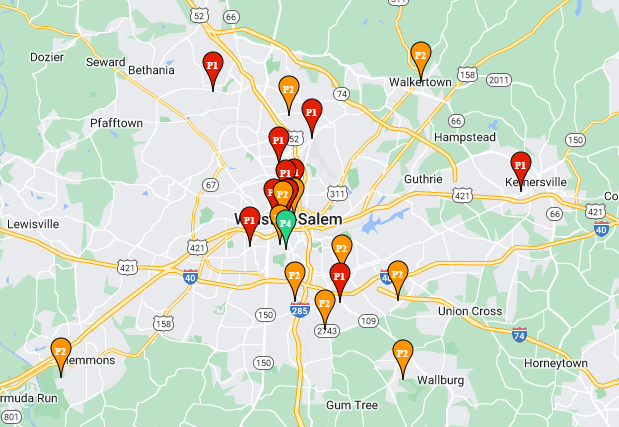
Forsyth Humane Society has an incredible pet food pantry that supports the needs of those in our community who find themselves faced with the harsh question of, ‘will I have to surrender my pet if I cannot afford to feed it?’. Unfortunately, we hear this a lot. Perhaps is someone who has lost their job, who has experienced health issues and can no longer work, the situations are abundant and we don’t really ask questions, instead we show up and we support. Why? Because if we, through the help of pet food donations, can not only feed the pets in our care but also the pets in the community, that is one less pet that comes in our doors. That is one less pet that has to be surrendered due to unforeseen circumstances. That is one more person that can eat without giving their human food to their pet. We found through our partnership with Meals on Wheels that often people would feed their meals to their pets and go hungry themselves before letting their pet starve. We partnered with a local scout troop who comes to our pet food pantry, gets food and packages it for Meals on Wheels. The route runners know who has animals and in addition to providing food daily, they provide pet food when needed. Additionally, we have partners who pickup food from us and distribute all over Forsyth County to organizations as seen on the map below: All our Pet Food Pantry Partners support many elements of care in Forsyth County not just of pets but the people who love them. It’s how we practice the Wellness of Companionship, it’s how we lean into the heart of our organization, Compassion. As much as we love pets, we don’t want anymore coming into our shelter so a piece of our work is on keeping pets and families together and reducing the barriers that may be in place forcing peoples hands to surrender the pets that they love. If you or someone you know is in need of pet food, please connect with some of our partners to organize a time to pickup pet food. Written by Kristen Williams